Loading history…
AirTag
This is r1 (the current revision), saved by jack. Full history
|
AirTag
Lose your knack for losing things.
|
 i i
|
| Official AirTag site — Apple |
[ Show / Hide ]
| ||||||||||||||||||||||||||||||||||||||||||||




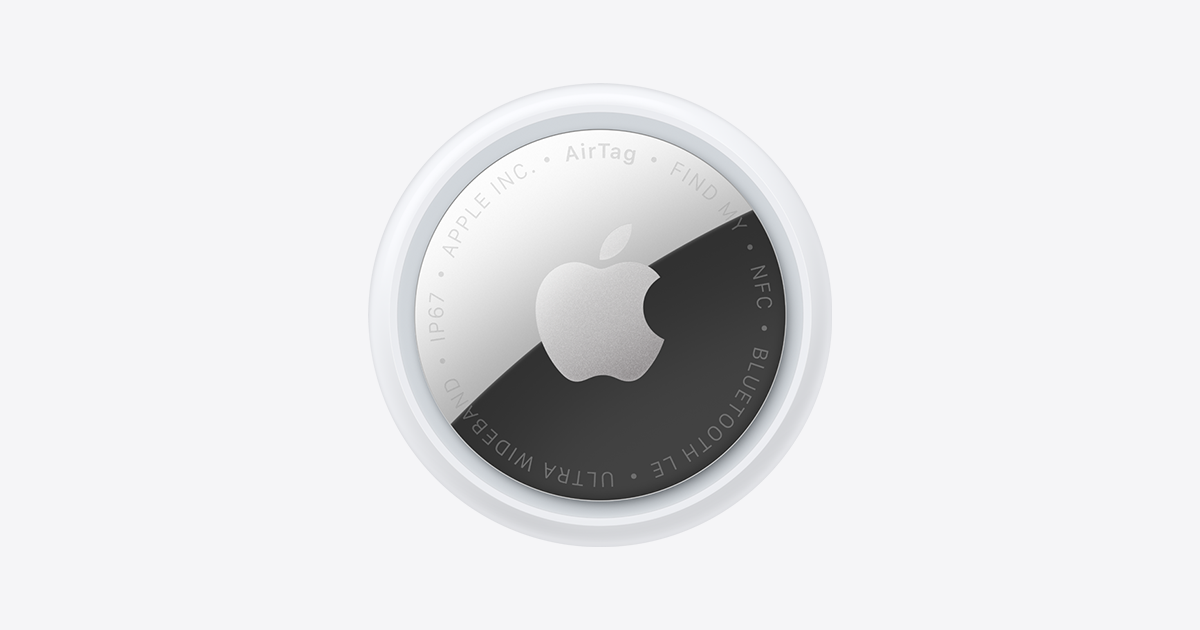
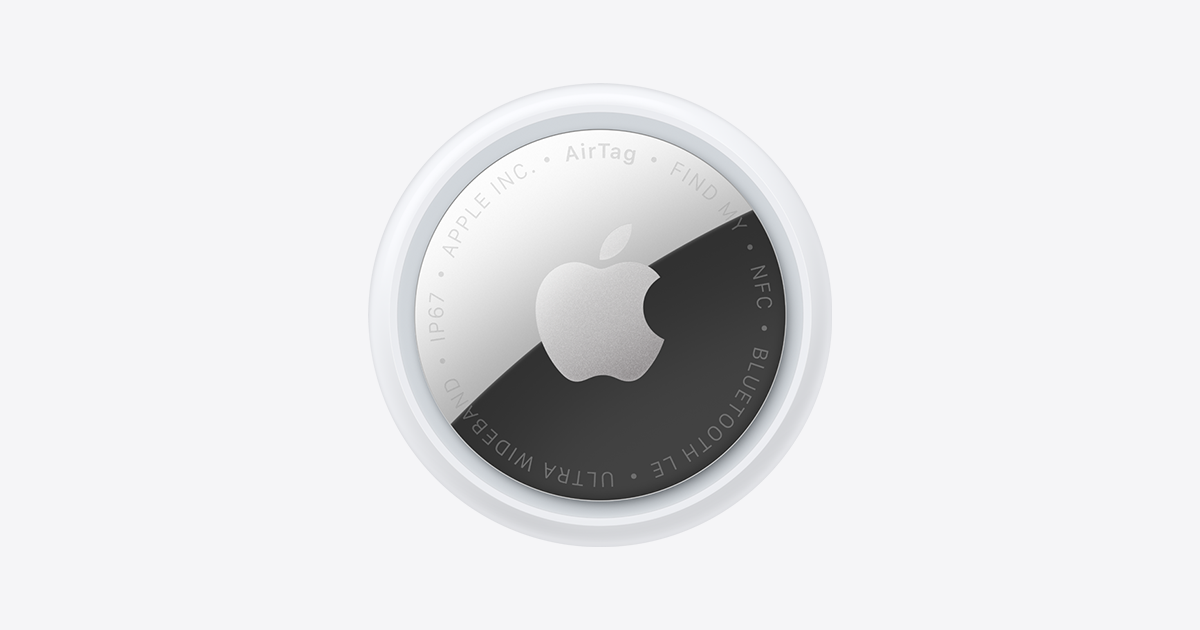
AirTag is Apple's item tracker — a coin-sized disc that hitches a ride on the Find My network, where nearly every iPhone on Earth anonymously relays the location of any AirTag it passes. Launched in April 2021 at $29, it turned Apple's install base into the largest lost-and-found system ever built.
Its precision comes from Apple's ultra-wideband silicon: the U1 in the original and the second-generation UWB chip in AirTag 2 enable Precision Finding — an on-screen arrow that walks an iPhone owner to within centimeters of the tag.
1 History✎
The original AirTag (April 2021) arrived years after rumors and immediately dominated the tracker market, with the user-replaceable CR2032 battery and IP67 build making it a set-and-forget product. Its success carried a shadow: stalking misuse prompted Apple to add unwanted-tracking alerts, louder beacons, and — with Google — a cross-platform detection standard adopted across iOS and Android.
AirTag 2 (January 2026) upgraded to the second-generation UWB chip for up to three times the Precision Finding range, added a louder, tamper-resistant speaker aimed squarely at the misuse problem, and kept the prices: $29 each, $99 for four.
2 Current lineup✎
| Model | Chip | Role |
|---|---|---|
| AirTag 2 | 2nd-gen UWB (2026) | Item tracker — $29, four for $99 |
3 Position✎
AirTag is the smallest expression of Apple's biggest advantage: the network. No competitor can replicate a billion relay nodes, which is why the product's real battles have been social — the anti-stalking standards it forced into existence — rather than competitive. Its UWB silicon also keeps the U-series in front-line service.
Content available under CC BY-SA 4.0