Loading history…
HomePod
This is r2 (the current revision), saved by jack. Full history
|
HomePod
Profound sound.
|
 i i
|
| Official HomePod site — Apple |
[ Show / Hide ]
| ||||||||||||||||||||||||||||||||||||||||||||





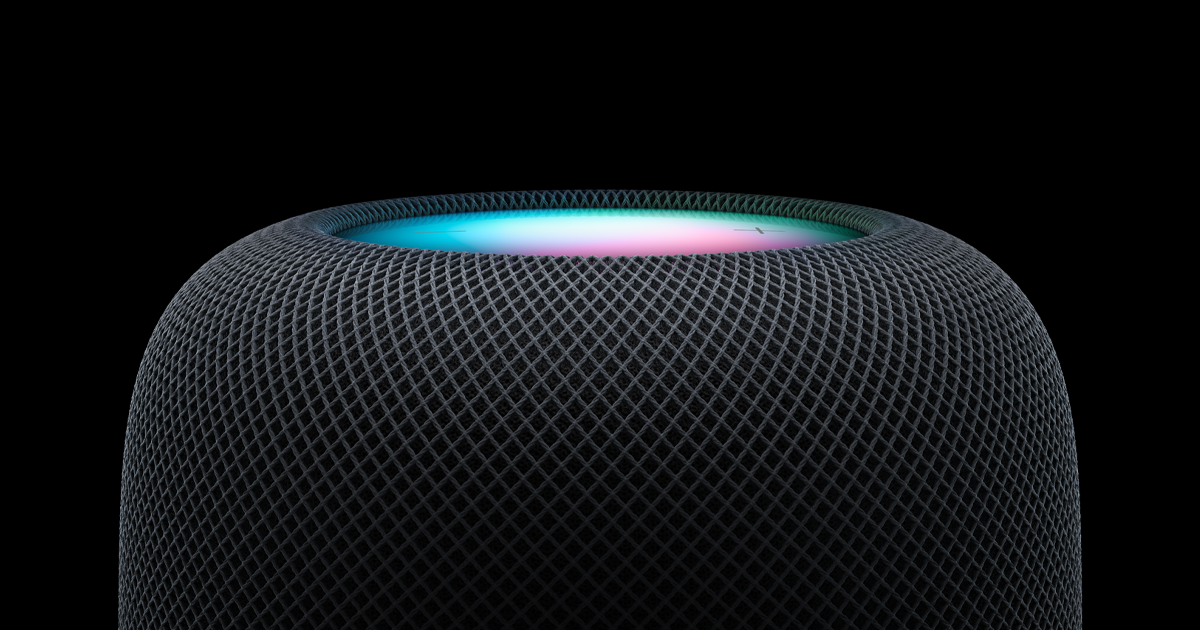
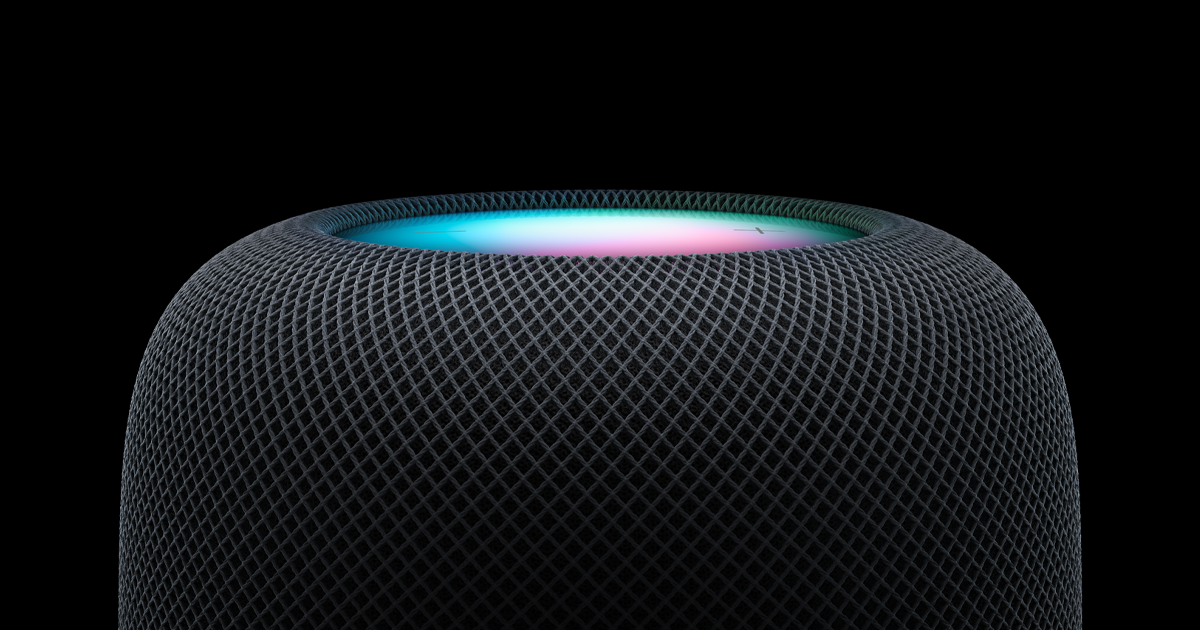
HomePod is Apple's smart speaker line — the audio-first answer to a market Amazon and Google built around cheap microphones. Launched in 2018 on the premise that a smart speaker should sound excellent first, it has lived a turbulent product life: a flagship discontinued, a budget hit, a comeback, and a family now waiting on Siri's next act.
Both current models run Apple Watch-class silicon — the Apple S5 in the mini, the Apple S7 in the full-size — doing computational audio: real-time room sensing, beam-forming, and multi-speaker synchronization.
1 History✎
The original HomePod (2018, $349) earned superlative audio reviews and poor sales — priced like a hi-fi in a market of $49 assistants — and was discontinued in 2021. The HomePod mini (2020, $99, S5) inverted the outcome: small, affordable, and the line's volume seller, with a U1 chip for handoff and a Thread radio that made it a smart-home hub. The second-generation HomePod (2023, $299, S7) revived the full-size with temperature and humidity sensing and Matter support.
Since then the line has held steady; refreshed models are widely reported to be ready and waiting on the overhauled, Apple Intelligence-era Siri they are meant to showcase.
2 Current lineup✎
| Model | Chip | Role |
|---|---|---|
| HomePod (2nd generation) | S7 (2023) | Full-size: room-sensing audio, stereo pairs, home hub |
| HomePod mini | S5 (2020) | The volume speaker and Thread hub |
3 Position✎
HomePod is the ecosystem's ears in the house: AirPlay endpoint, Apple TV audio partner, Thread border router, and the intercom of Apple's smart home. Its history is Apple's clearest lesson in market pricing — and its future is the product line most obviously staged for whatever Siri becomes.
Content available under CC BY-SA 4.0