Loading history…
Apple Display
This is r2 (the current revision), saved by jack. Full history
|
Apple Display
Designed by Apple in California.
|
 i i
|
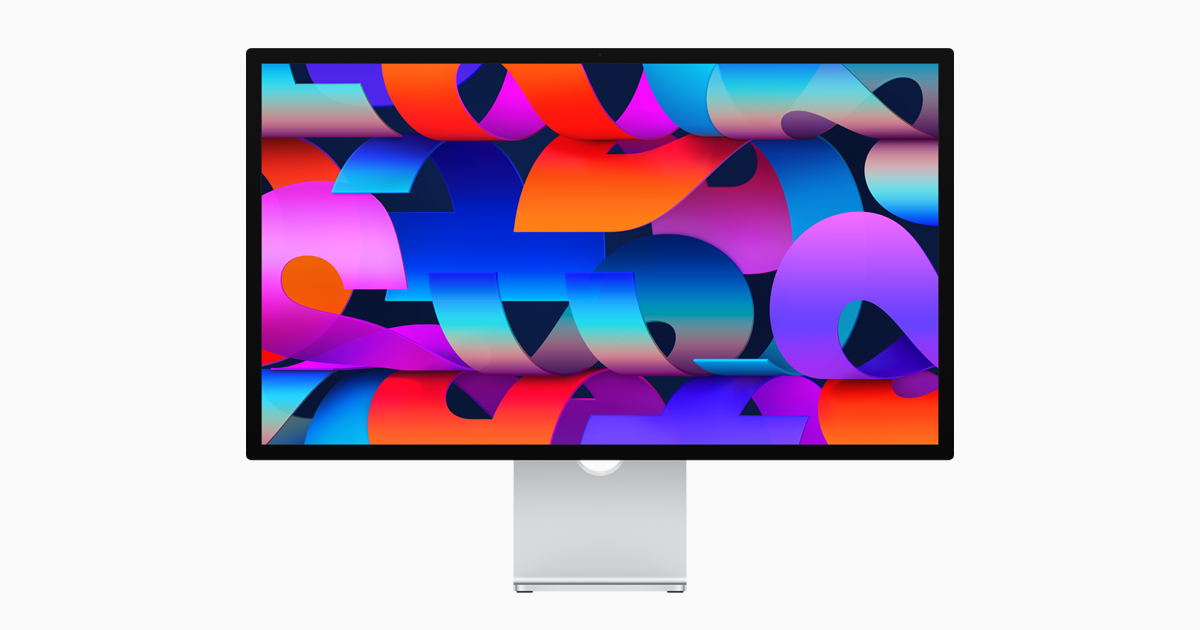
| Official Studio Display site — Apple |
[ Show / Hide ]
| ||||||||||||||||||||||||||||||||||||||||||||





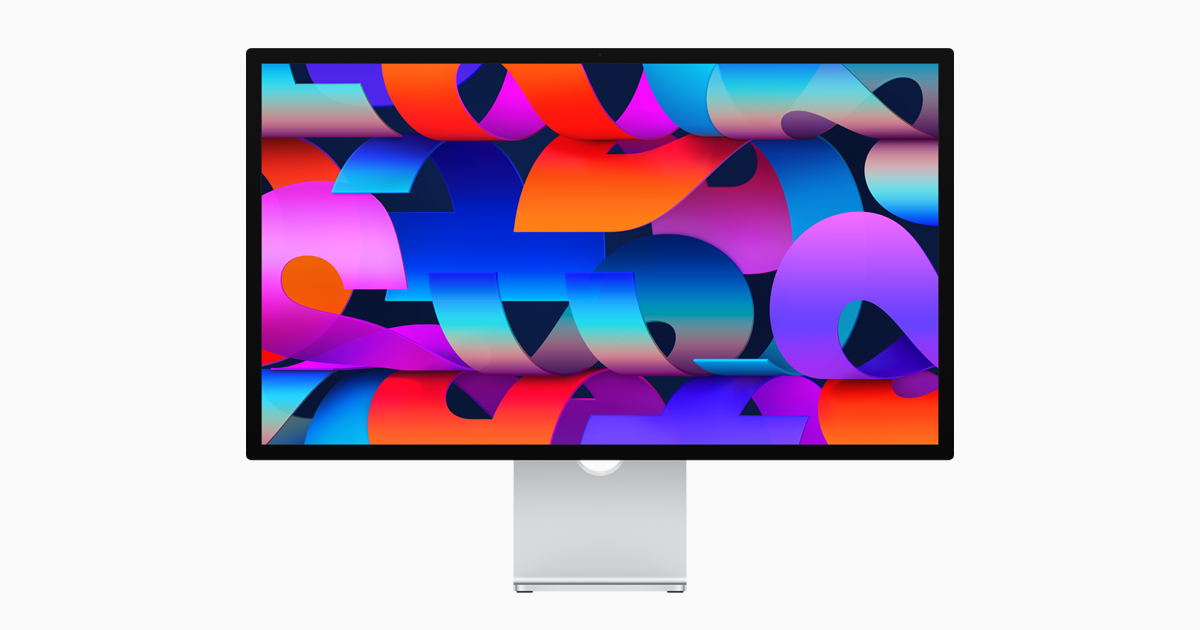
Apple's standalone displays are the monitors built to partner the Mac — a line stretching from the beige CRTs of the Apple II era through the Cinema Displays that defined the aluminum age to today's Studio Display family. Modern Apple displays are computers in their own right: the current models run A-series silicon to drive Center Stage cameras, spatial audio speakers, and always-on processing.
1 History✎
The Studio Display and Cinema Display names anchored the CRT-to-LCD transition around 1998–2004; the aluminum Cinema Displays and the Thunderbolt Display (2011) made the monitor a docking hub. Then came the gap: Apple exited the display business in 2016, pointing customers to LG's UltraFine panels, before returning at the top with the $4,999 Pro Display XDR (2019) — 32 inches, 6K, reference-grade HDR.
The Studio Display (2022) brought a $1,599 5K middle option with an A13 inside. In March 2026 Apple renewed the whole family: the second-generation Studio Display added a 12MP Center Stage camera, a three-microphone array, six-speaker spatial audio, and Thunderbolt 5, while the all-new Studio Display XDR ($3,299) succeeded the discontinued Pro Display XDR as the pro tier.
2 Current lineup✎
| Model | Introduced | Role |
|---|---|---|
| Studio Display XDR | March 2026 — $3,299 | Pro HDR display, tilt- and height-adjustable |
| Studio Display (2nd generation) | March 2026 — $1,599 | The Mac's default monitor: 5K, Thunderbolt 5, Center Stage |
3 Position✎
Apple's displays exist to complete the desk: one cable to a Mac laptop for power, pixels, camera, and audio. The line's economics are unapologetically premium — Apple ceded the commodity monitor market a decade ago and competes only where color accuracy, integration, and industrial design carry the price.
Content available under CC BY-SA 4.0