iOS 16
|
iOS 16
| |
 i i
| |
| Developer | Apple |
|---|---|
| Announced | June 6, 2022 (WWDC) |
| Initial release | September 12, 2022 |
| Final release | 16.7.x security series (2024) |
| Launch devices | iPhone 14 generation |
| Preceded by | iOS 15 |
| Succeeded by | iOS 17 |
|
iOS
|
|---|
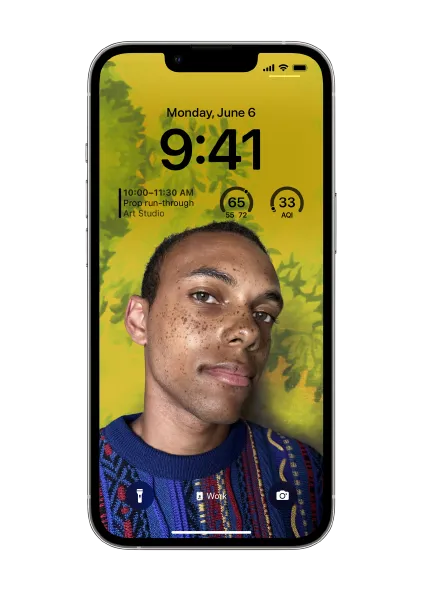
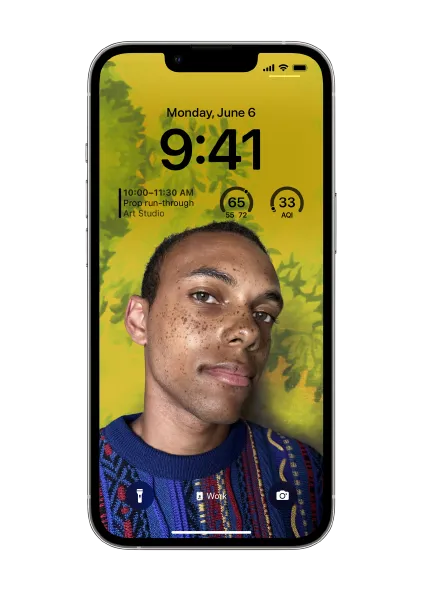
iOS 16 is the sixteenth major release of iOS, released on September 12, 2022, ahead of the iPhone 14 generation. It rebuilt the platform's front door: the Lock Screen became customizable and collectible — fonts, colors, widgets, layered photo subjects that overlap the clock, and a gallery of switchable screens bound to Focus modes — the biggest change to the phone's first surface since lock-screen notifications.
The release also carried the system half of the year's hardware stories: Live Activities, the real-time notification class that powers the iPhone 14 Pro's Dynamic Island, plus Emergency SOS via satellite support and Crash Detection integration.
1 Features✎
The customizable Lock Screen and wallpaper gallery; Live Activities (16.1); editable and unsendable Messages (with time limits and edit history after public debate); Mail scheduling and recall; passkeys — the passwordless WebAuthn credentials Apple pushed first at scale; Safety Check for abusive-relationship escape; iCloud Shared Photo Library (16.1); Freeform (16.2); Advanced Data Protection's expanded end-to-end encryption (16.2); the battery-percentage indicator's return; and haptic keyboard feedback. Visual Look Up learned to lift subjects out of photos — the tap-and-drag sticker trick that became the cycle's shared delight.
2 Supported devices✎
iPhone 14 and iPhone 13 generations back through iPhone 8 and iPhone X — the first cull in four years, dropping the iPhone 6s and iPhone 7 generations and the first iPhone SE, and with them the iPod touch line entirely.
3 Legacy✎
The Lock Screen platform became the personalization surface every subsequent release builds on, Live Activities became the interaction model the Dynamic Island — now on every iPhone — depends on, and passkeys began the industry's slow walk away from passwords. Editable Messages and Safety Check showed the platform absorbing social criticism directly into feature design; Advanced Data Protection extended the privacy franchise into open conflict with government access demands.