iOS 17
|
iOS 17
| |
 i i
| |
| Developer | Apple |
|---|---|
| Announced | June 5, 2023 (WWDC) |
| Initial release | September 18, 2023 |
| Final release | 17.7.x security series (2024–25) |
| Launch devices | iPhone 15 generation |
| Preceded by | iOS 16 |
| Succeeded by | iOS 18 |
|
iOS
|
|---|
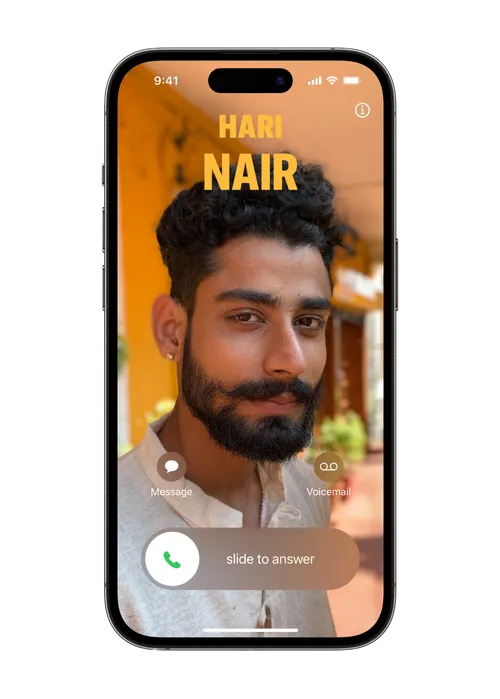
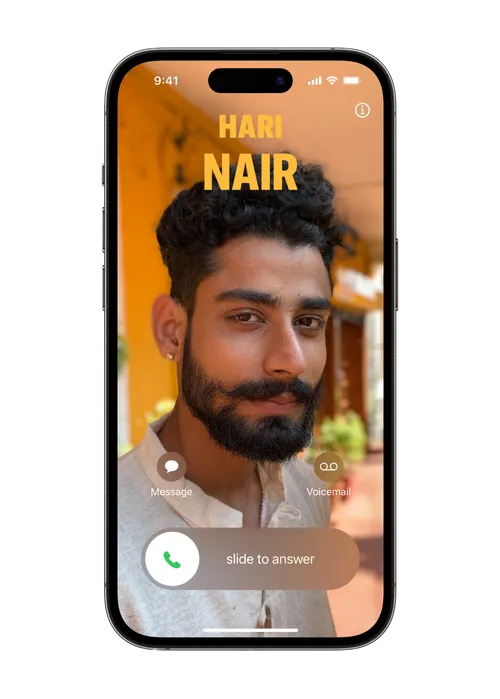
iOS 17 is the seventeenth major release of iOS, released on September 18, 2023, with the iPhone 15 generation. A people-and-communication year: Contact Posters gave every caller a full-screen identity card, Live Voicemail transcribed messages in real time as they were left (with mid-message pickup), NameDrop exchanged contacts by touching phones together, and FaceTime learned to leave video messages.
Its most novel surface was StandBy — turn a charging iPhone on its side and it becomes a bedside/desk display of clocks, widgets, and photos — the feature that quietly turned MagSafe stands into smart displays, and widgets everywhere became interactive.
1 Features✎
Contact Posters; Live Voicemail; NameDrop and improved AirDrop (with internet handoff); StandBy; interactive widgets; the Journal app (17.2); Check In safety monitoring in Messages; offline Maps; grocery-sorting Reminders; Personal Voice accessibility (recreating a user's voice against speech loss); mental-state logging in Health; and a "Danger! Do not use autocorrect against me" keyboard rebuild with transformer-model prediction (and the era's most-quoted patch note: autocorrect finally learning a certain expletive). AirTag sharing, collaborative playlists (17.3), and EU alternative app marketplaces (17.4, under the Digital Markets Act) landed in point releases.
2 Supported devices✎
iPhone 15 and iPhone 14 generations back through iPhone XR/XS and the second/third iPhone SE — dropping iPhone 8 and iPhone X. The A12 floor this set held for three consecutive releases.
3 Legacy✎
StandBy and interactive widgets extended the widget platform into ambient computing; Check In, Personal Voice, and Live Voicemail continued the safety-and-accessibility thread as headline features rather than settings-page footnotes; and 17.4's DMA compliance — alternative app stores and browser engines in the EU — marked the first structural crack in the App Store's fifteen-year exclusivity, a regulatory legacy that outweighs the release's features.