Akira Kurosawa
| Akira Kurosawa 黒澤 明 (Kurosawa Akira) | |
|---|---|
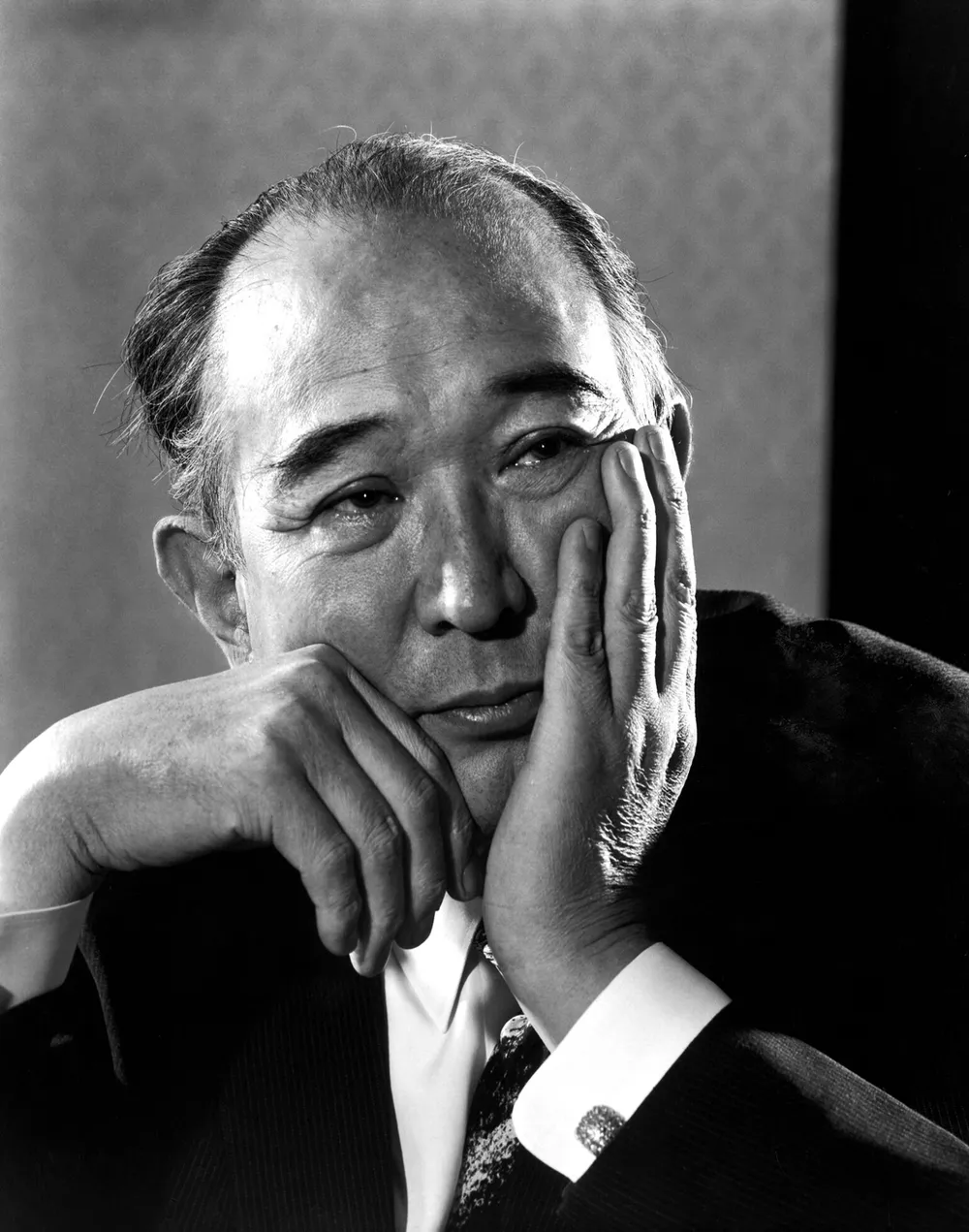 i iKurosawa in 1969 | |
| Born | 1910. 03. 23. Shinagawa, Tokyo, Japan |
| Died | 1998. 09. 06. (age 88) Setagaya, Tokyo, Japan |
| Occupation | Film director · Screenwriter · Producer · Editor |
| Years active | 1936–1993 |
| Spouse | Yōko Yaguchi (married 1945; her death 1985) |
| Children | 2, including Kazuko Kurosawa |
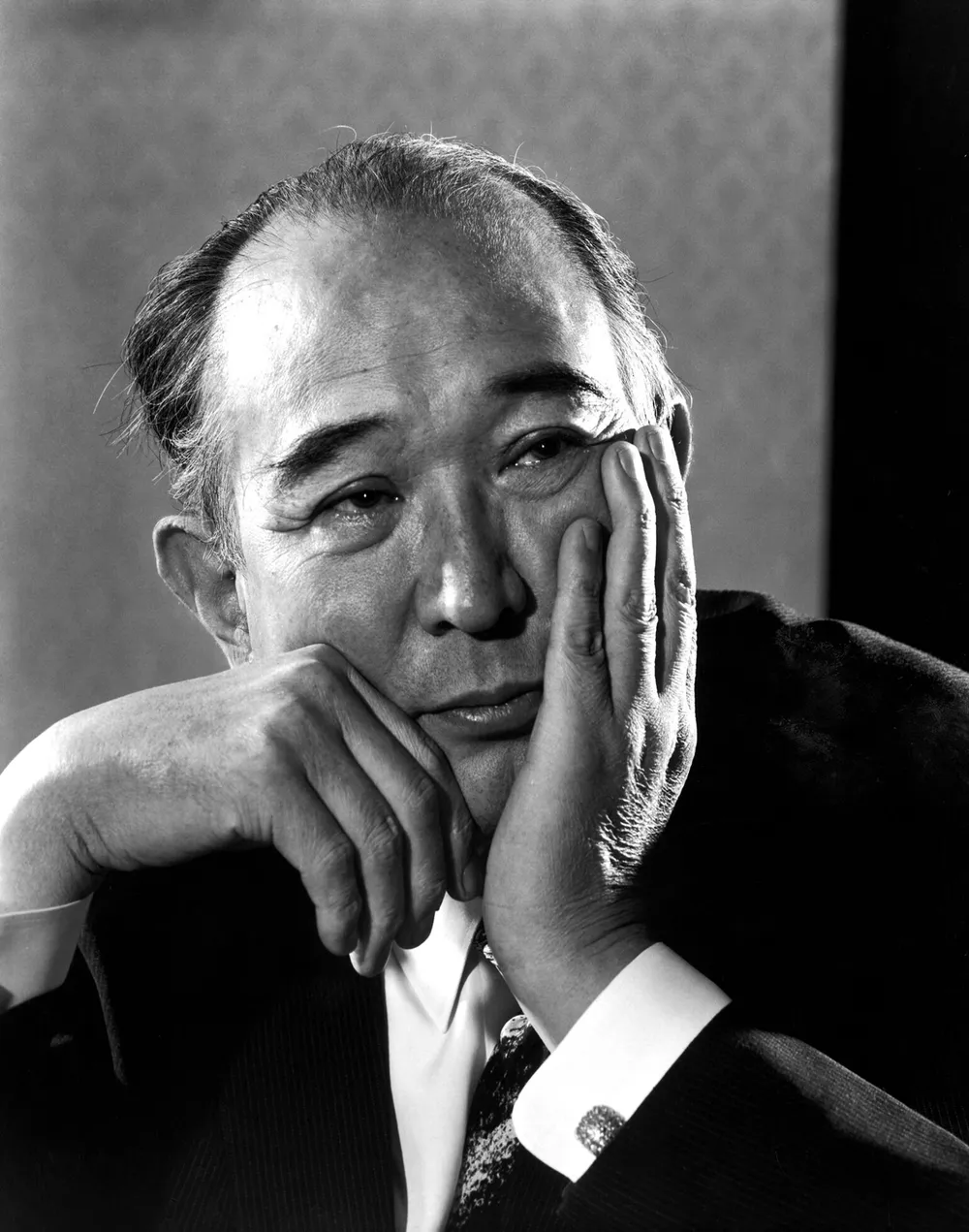
Akira Kurosawa (黒澤 明, Kurosawa Akira; 1910. 03. 23. – 1998. 09. 06.) was a Japanese film director, screenwriter, producer, and editor. He directed 30 feature films over six decades and is widely considered one of the greatest and most influential filmmakers ever. His movie Rashomon (1950) won the top prize at the Venice Film Festival in 1951, which opened Western movie theaters to Japanese films for the first time.
Kurosawa was a hands-on filmmaker. He wrote or co-wrote all of his own movies, edited most of them himself, and controlled every detail of production. His films, especially Seven Samurai (1954), Yojimbo (1961), and Ran (1985), have been studied, copied, and remade around the world. In 1990, he received an honorary Academy Award for lifetime achievement.
1 Early life✎
Kurosawa was born in Shinagawa, Tokyo, the youngest of eight children. His father came from a samurai family and, unusually for the time, believed movies were good for education. Kurosawa saw his first film at age six. As a teenager he trained to become a painter, but he could not make a living from art.
His older brother Heigo worked as a benshi, a live narrator for silent films. When "talkies" (films with sound) arrived in the early 1930s, narrators lost their jobs, and Heigo took his own life in 1933. Kurosawa later wrote that the loss stayed with him for the rest of his life.
2 Film career✎
2.1 Starting out (1936–1949)✎
In 1936, the 25-year-old Kurosawa joined the film studio P.C.L., which later became Toho. He spent five years as an assistant director, mostly under his mentor Kajirō Yamamoto, who taught him that a good director must first master screenwriting.
Kurosawa directed his first film, the judo action movie Sanshiro Sugata (1943), at age 33. It was a hit with both critics and audiences. In 1945 he married the actress Yōko Yaguchi; they stayed together until her death in 1985.
His breakthrough came with Drunken Angel (1948), the story of a doctor trying to save a sick gangster. It was the first time he directed Toshiro Mifune, a young actor with explosive energy. Mifune went on to star in 16 of Kurosawa's films, and the two became one of the most famous director-actor teams in movie history.
2.2 World fame (1950–1965)✎
In 1950, Kurosawa made Rashomon, a mystery that shows the same crime from four points of view that do not agree with each other. Japanese reviews were lukewarm, but the film was quietly entered into the Venice Film Festival, where it shocked everyone by winning the Golden Lion, the festival's highest prize. Western audiences discovered Japanese cinema almost overnight, and the film's storytelling trick is now known everywhere as the "Rashomon effect."
The 1950s and early 1960s were Kurosawa's golden age. Ikiru (1952) follows a dying office worker searching for meaning in his last months. Seven Samurai (1954), about a poor village that hires seven warriors to protect it from bandits, took over a year to shoot and was the most expensive Japanese film ever made at the time. Many critics and polls have named it the greatest Japanese film of all time.
He followed with Throne of Blood (1957), a retelling of William Shakespeare's Macbeth in medieval Japan; the adventure comedy The Hidden Fortress (1958); the samurai hits Yojimbo (1961) and Sanjuro (1962); and the kidnapping thriller High and Low (1963). Red Beard (1965), set in a clinic for the poor, was his last film with Mifune and the end of his most productive era.
2.3 Hard times (1966–1977)✎
After 1965, Kurosawa's career hit a long rough patch. Japanese audiences were switching to television, and studios no longer wanted to pay for his expensive productions. A Hollywood project, the war epic Tora! Tora! Tora!, ended with Kurosawa being removed from the film after only three weeks of shooting. His next movie, Dodesukaden (1970), lost money. In 1971, in despair over his career and health, he attempted suicide. He survived and slowly recovered.
His comeback came from an unexpected place. The Soviet studio Mosfilm invited him to direct Dersu Uzala (1975), filmed in the harsh wilderness of Siberia. It won the Academy Award for Best Foreign Language Film.
2.4 Late epics (1978–1993)✎
By the late 1970s, a new generation of American directors who grew up admiring Kurosawa came to his rescue. George Lucas and Francis Ford Coppola convinced a Hollywood studio to fund Kagemusha (1980), the story of a thief hired to impersonate a dead warlord. It won the Palme d'Or at the Cannes Film Festival.
Kurosawa followed it with Ran (1985), a huge, colorful epic based on Shakespeare's King Lear. He later called it his best film. Steven Spielberg helped him finance Dreams (1990), a film built entirely from Kurosawa's own dreams. That same year he accepted an honorary Academy Award, telling the audience he was worried because he still did not feel he understood cinema yet.
His final film as director was Madadayo (1993). After breaking his spine in a fall in 1995, he used a wheelchair and could no longer direct. He died of a stroke in Tokyo on 1998. 09. 06., at age 88.
3 Style✎
Kurosawa's style mixed Western influences with Japanese tradition. He was famous for several techniques: the "wipe," where a moving line sweeps one scene off the screen to reveal the next; cutting between cameras during motion to make action feel powerful; and using extreme weather, such as pouring rain, blazing heat, and wind, to mirror his characters' emotions.
His stories often return to the same themes: a wise master teaching a young student, a lone hero standing up against injustice, and the question of how to live a meaningful life. He worked with a loyal team of regular collaborators known as the "Kurosawa-gumi" (Kurosawa group), including actors Toshiro Mifune and Takashi Shimura.
4 Selected films✎
| Year | Title | Notes |
|---|---|---|
| 1943 | Sanshiro Sugata | Directing debut |
| 1948 | Drunken Angel | First film with Toshiro Mifune |
| 1950 | Rashomon | Golden Lion winner; made him world famous |
| 1952 | Ikiru | Drama about a dying man's search for meaning |
| 1954 | Seven Samurai | Often called the greatest Japanese film |
| 1957 | Throne of Blood | Macbeth retold in medieval Japan |
| 1958 | The Hidden Fortress | Major influence on Star Wars |
| 1961 | Yojimbo | Remade as A Fistful of Dollars |
| 1963 | High and Low | Kidnapping thriller |
| 1965 | Red Beard | Last film with Mifune |
| 1975 | Dersu Uzala | Shot in Siberia; won a foreign-film Oscar |
| 1980 | Kagemusha | Palme d'Or winner |
| 1985 | Ran | King Lear epic; his own favorite |
| 1990 | Dreams | Based on his real dreams |
| 1993 | Madadayo | Final film |
5 Legacy✎
Few directors have shaped world cinema as much as Kurosawa. Seven Samurai was remade in Hollywood as The Magnificent Seven, Yojimbo became Sergio Leone's A Fistful of Dollars, and George Lucas has said The Hidden Fortress directly inspired Star Wars. Directors including Steven Spielberg, Ingmar Bergman, Federico Fellini, Martin Scorsese, and Stanley Kubrick named him among the greatest filmmakers. Sidney Lumet called him "the Beethoven of movie directors."
In 1999, the magazine AsianWeek and CNN named Kurosawa "Asian of the Century" in arts and culture, recognizing him as one of the five people who contributed most to Asia in the 20th century.